
I have always been a child of science fiction–which is kind of odd, since neither of my parents were super into it when I was a kid. I don’t know where it came from (though I suspect it was the syndicated Star Trek I watched during the day at my grandparents’ house). But wherever it started, it stuck, and I have been such an extreme lifelong fan that I watch sci-fi TV and movies, play sci-fi video games, read sci-fi books, and even write sci-fi short stories, screenplays, and novels.
But, since this blog is primarily about writing and reading, instead of listing all my favorite sci-fi properties, this week I’ll stick to just my favorite books.
So, in no particular order, here are my top five favorite science fiction novels!
Jurassic Park/The Lost World
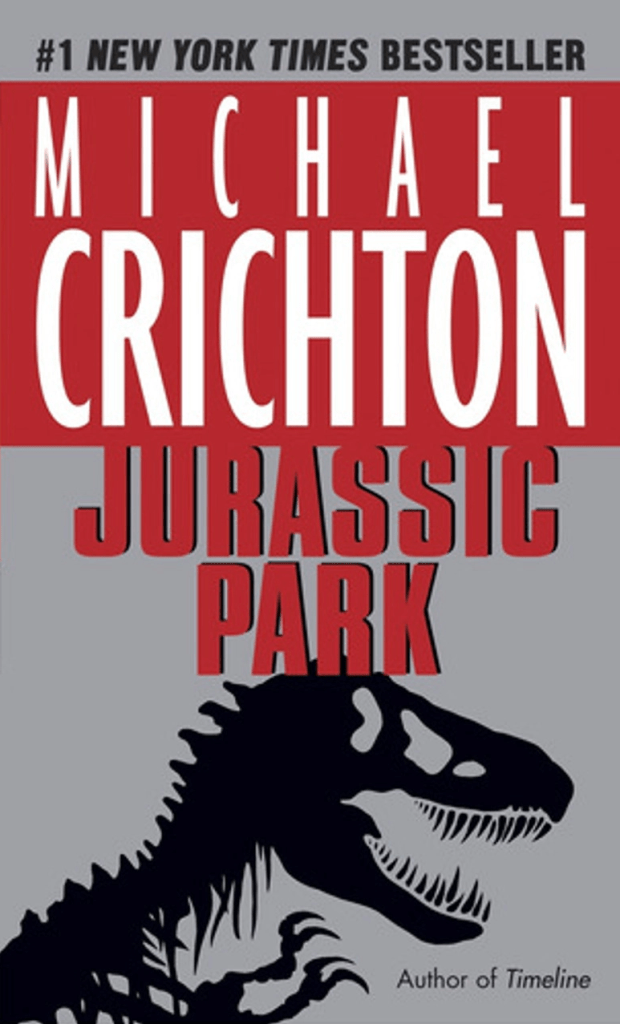
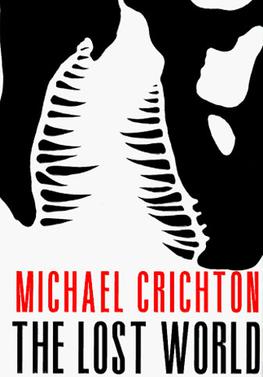
Okay, yeah, I’m starting out my list of five books with two books. Sue me. But to me, these are really one story, and the way I read them (one right after the other) they may as well be one book.
My mother read the original to me shortly after the book first came out, so probably around 1991. I would have been about six at the time.
And my poor mother. She was just trying to be a good parent. She was reading to me every night, and all she knew about Jurassic Park going in was that it was about dinosaurs–and I was the “dinosaur-kid” poster child (keep in mind, the movie hadn’t come out yet).
We sped through the first act with me correcting her pronunciations of the dinosaur names, and then the electric fences went down, the violence started, and she wanted to stop reading.
But I wouldn’t let her.
And now, thirty five years later, one of the genres I still love and love to write is a good sci-fi horror!
Thanks, Ma!
When The Lost World came out in 1995, I jumped on it, read it by myself, and fell in love with the child characters. Before the movie version came out, I read that Spielberg was sparing no expense to turn the novel into a script.
I was very disappointed when it finally came out and was nothing like the book.
The Martian
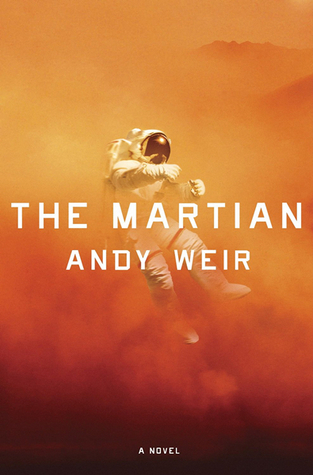
I admit, I saw the movie first. But I loved it so much, I had to pick up the book. Everything I loved about the movie was in the book, and it very quickly became a favorite.
While the story of isolation and perseverance resonated with me, it was the characterization of Mark Watney that really won me over.
I am no scientist, nor do I claim I have the mental fortitude to do what the character does in order to survive on an empty Mars for as long as he does, however…
Mark and I have extremely similar personalities. So similar, in fact, that I refer to this story as “what would happen if Eric were stranded on Mars.”
I definitely would have referred to myself as a space pirate more than once.
So, if you want to get to know my personality without having to meet me in person, there you go!
The Hitchhiker’s Guide to the Galaxy
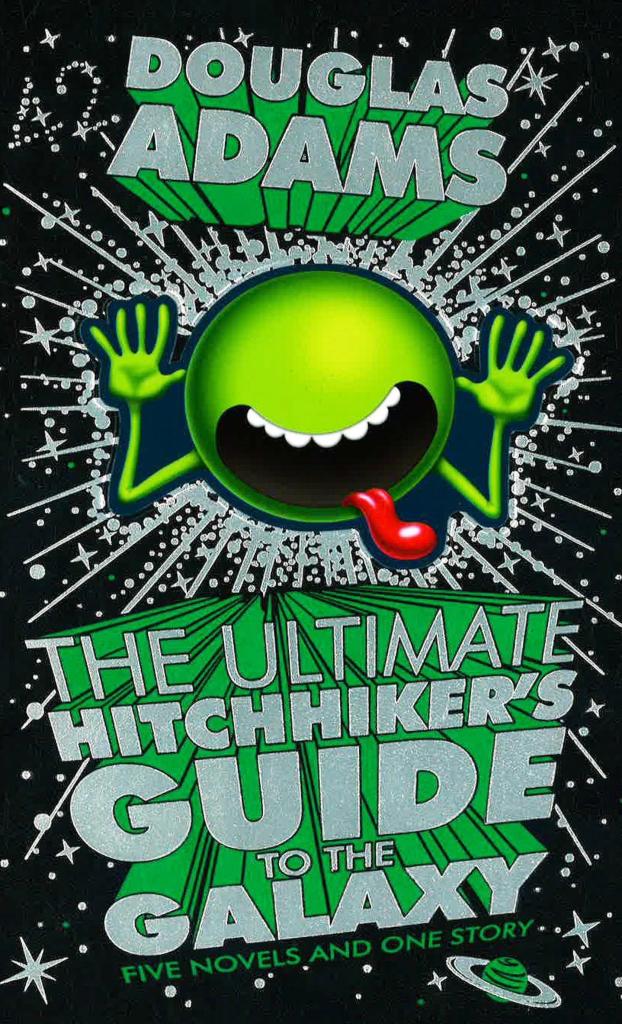
Yup, I’m doing it again, because I am referring to the entire series found in The Ultimate Hitchhiker’s Guide!
Where Jurassic Park has shades of horror, and The Martian is far more grounded, Hitchhiker’s Guide goes off the rails into absurdism–something I can not do as a writer, and can only bask in Douglas Adams’s glory.
No one writes like Douglas Adams did. Every page, every sentence, gives you something you weren’t expecting. From the creation of the universe being widely regarded as a bad idea, to the way Vogon ships hang in the air much the way bricks don’t, no one turns a phrase into the absurd quite like Adams.
Childhood’s End
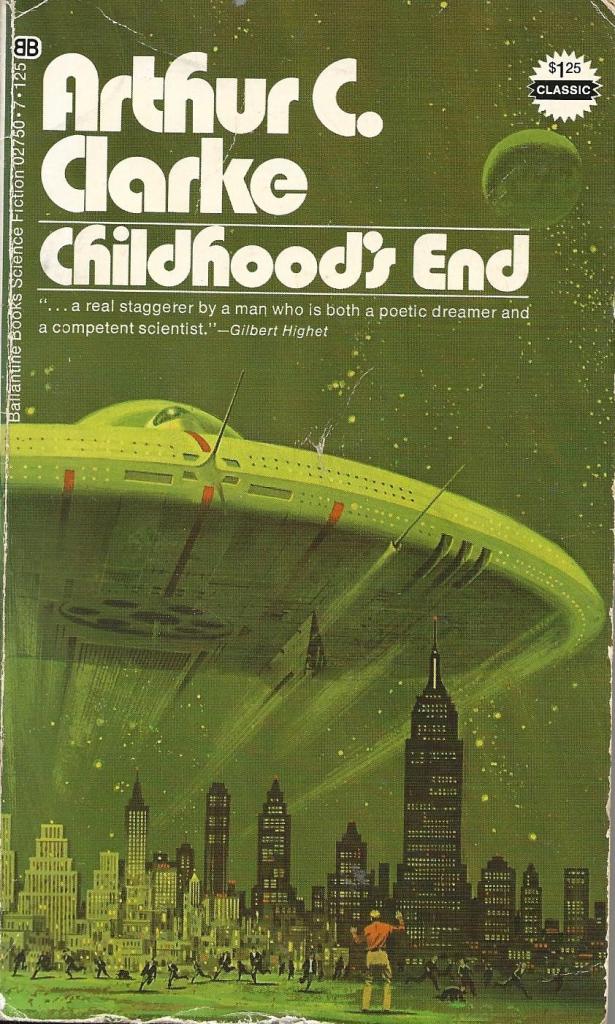
There’s really nothing like classic sci-fi around today. Today’s narratives are more interested in character arcs, personal journeys, and relationships, while authors like Arthur C. Clarke explored huge, heady ideas, while mostly neglecting all that character stuff.
Childhood’s End (which I was prompted to read thanks to an illustration of the Overlords–the aliens of the story–in Barlow’s Guide to Extraterrestrials), spans many human lifetimes and jumps across decades as the Overlords arrive, eventually show themselves, integrate into human society, and ultimately reveal their true nature and purpose.
This book made me think deep thoughts about the future and existence at a time when those thing were only just coming to my pre-adolescent mind.
I, Robot
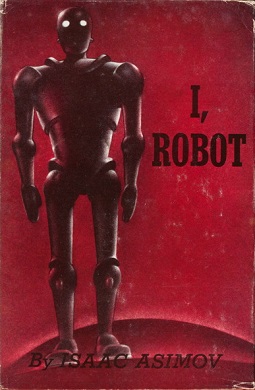
Again, I must admit, I saw the Will Smith movie first. But this is definitely not that. If your only reference is the movie, the book is a series of short stories instead of a single narrative. Some of the characters from the book appear in the movie, but really in name only since they are so wildly different.
But one thing the movie gets right are Asimov’s seminal Three Laws of Robotics (something AI companies should bear in mind):
- A robot may not injure a human being or, through inaction, allow a human being to come to harm.
- A robot must obey the orders given it by human beings except where such orders would conflict with the First Law.
- A robot must protect its own existence as long as such protection does not conflict with the First or Second Laws.
Each of the stories deals with these laws and their greater implications. Like Clarke, Asimov likes to ask the big questions, and let you decide what the answers are.
Bonus: Gas Giant Gambit
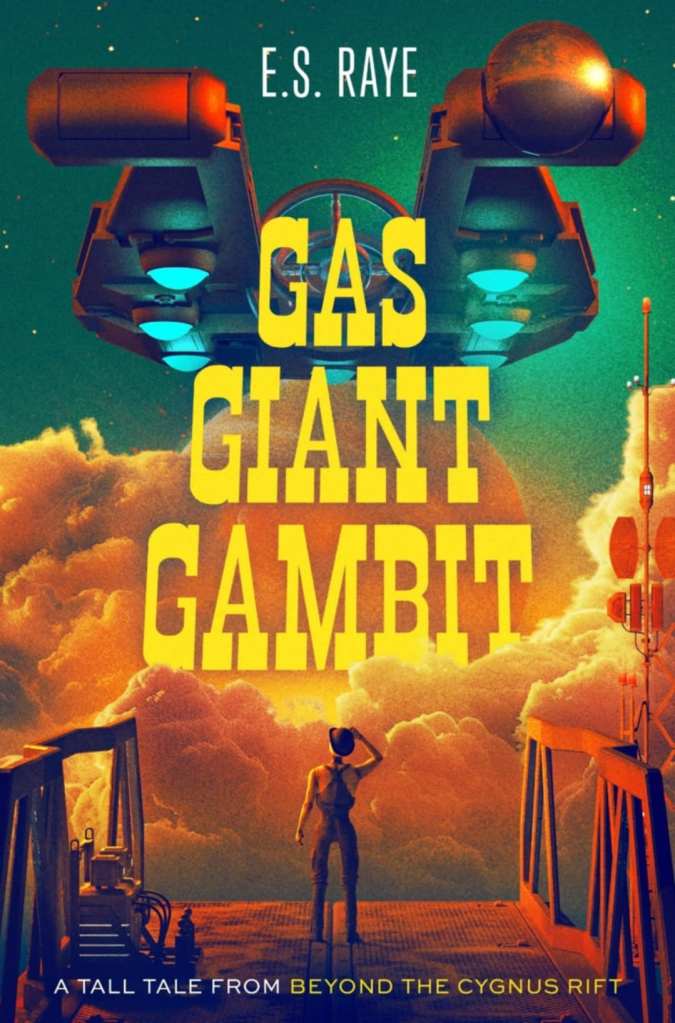
Did you think I was going to make a list of my favorite sci-fi novels and not include the one I wrote? No chance!
And the truth is, it is one of my favorite sci-fi novels. As a big fan of the TV show Firefly and the space-western genre in general, I set out to write the book I wanted to read, but couldn’t find on any bookstore shelves.
It’s got action, adventure, semi-sentient spaceships, beamslingers, quickdraws, stand-offs, jailbreaks, space-trains, a civil war, greedy landowners, a displaced indigenous population, self-aware robots, a diverse cast of characters, and a nameless, queer protagonist that goes by the adopted moniker “Gus.”
I love it, and it’s a world I may be returning to for a sequel sooner than I had anticipated!
Like what you hear? Get your copy!
Honorable mentions:
The Stardust Grail
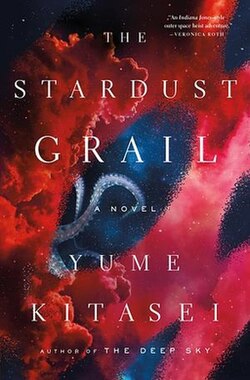
I read this one a few years ago and haven’t been able to get it out of my head. It’s got an Indiana Jones in Space kind of vibe, but if Indy was stealing from the museums to give the cultures their artifacts back.
Very cool.
The Strange
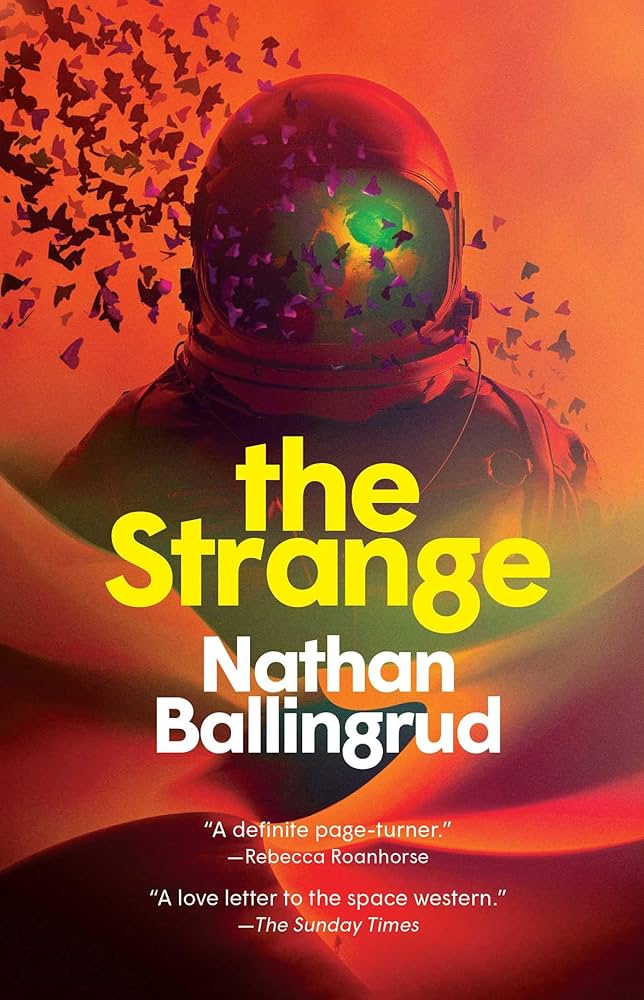
Speaking of books I read a few years ago that I can’t get out of my head, this one lives up to its title.
It’s a bit of alternate history, with a Mars colony in the ’30’s, and… well… it’s hard to describe. In fact, my one gripe was that I wanted just a little more exposition. Still, it’s a wild ride.


 E.S. Raye
Leave a comment